💻 About Scanner








What is a Scanner ?
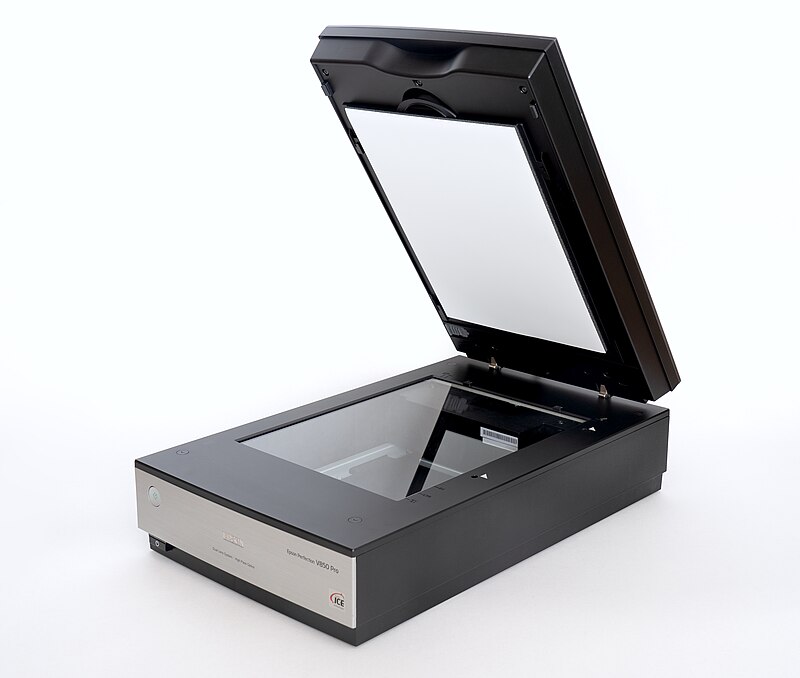
A scanner is an electronic device that can capture images of physical items and convert them into digital formats.
These images can in turn be stored on a computer and viewed or modified using software programs.
There are various types of scanners available in the market with different resolutions. In the world of electronic data transfer, scanning is considered the most cost-effective and reliable way to transfer images.
In Short : a scanner is an electronic device that can scan handwritten or printed documents and images and convert them into a digital file format. In computer terms, it is an input device that will be able to scan images and texts from paper.
It is then converted into a digital file by the scanner and stored electronically on a computer or mobile device. The scanned document can be viewed, shared, edited, and also printed.
How does the scanner work ?
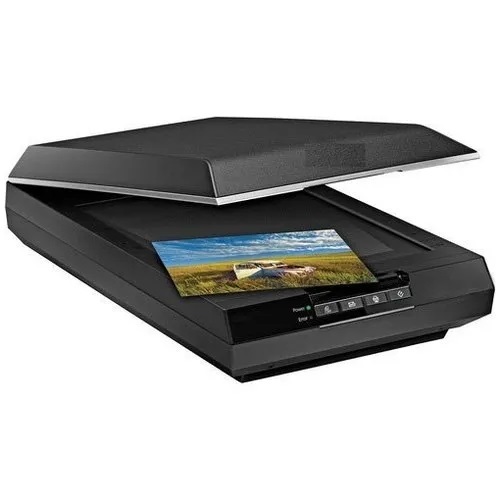
The operation of a scanner is very simple and works on the principle of "reflection and transmission". A bright light is shone on the document to be converted into a digital copy and after passing through a series of mirrors and lenses, it is reflected to a sensor (light-sensitive element). In most scanners, these sensors or media are an electronic integrated circuit called a charge-coupled device (CCD).
The photosites displayed on the CCD convert the light intensity into electronic signals to be processed into a digital image. While the CCD is the most widely used technology in today's scanners, photoelectric conversion (PMT) and contact image sensor (CIS) technology are also used in some expensive and inexpensive scanners.
The PMT technology used in drum scanners provides high-resolution images but is used in very limited applications due to size, power consumption and other factors. While CIS is the latest technology, it lacks in resolution, depth of field and different range.

The technology used in small, inexpensive digital cameras is complementary metal oxide semiconductor (CMOS), which is popular due to its affordability, lower power consumption, and ease of integration into devices, resulting in cost-effective designs.
Some innovative designs of complementary metal oxide semiconductor (CMOS) technology are gaining popularity in professional digital still cameras (DSLRs), but charged-device sensor technology, despite being expensive, still dominates the professional DSLR camera market.
Many computer programs work in conjunction with scanners to import data directly from the scanner. The user simply connects the scanner to the computer, scans the document or image, and imports the corresponding file into the computer. Some software programs allow them to use the images from the scanner directly.
Adobe Acrobat and other software have optical character recognition technology that can also recognize scanned text. When a text document is scanned, the software with OCR capabilities converts the document into digital text that can be edited in a Word document. Some software can also scan documents with text.