🖥 About CPU Fan








What is a CPU Fan ?
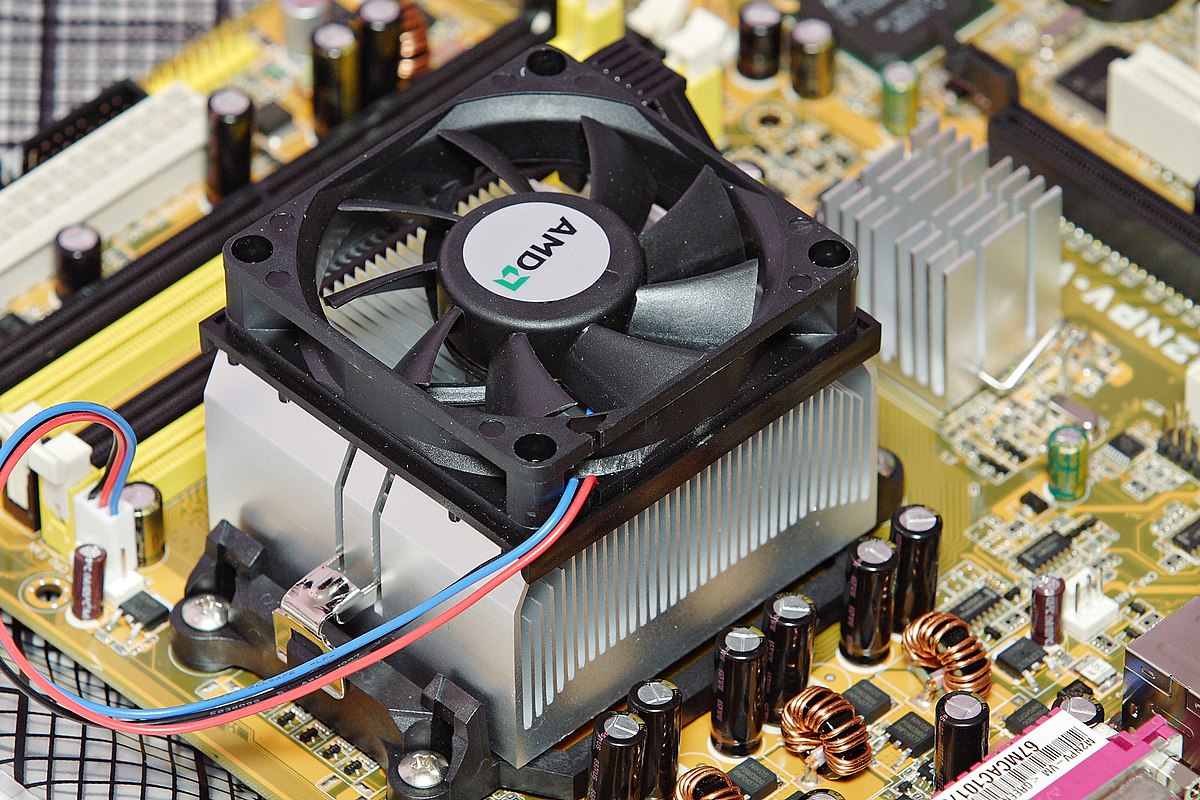
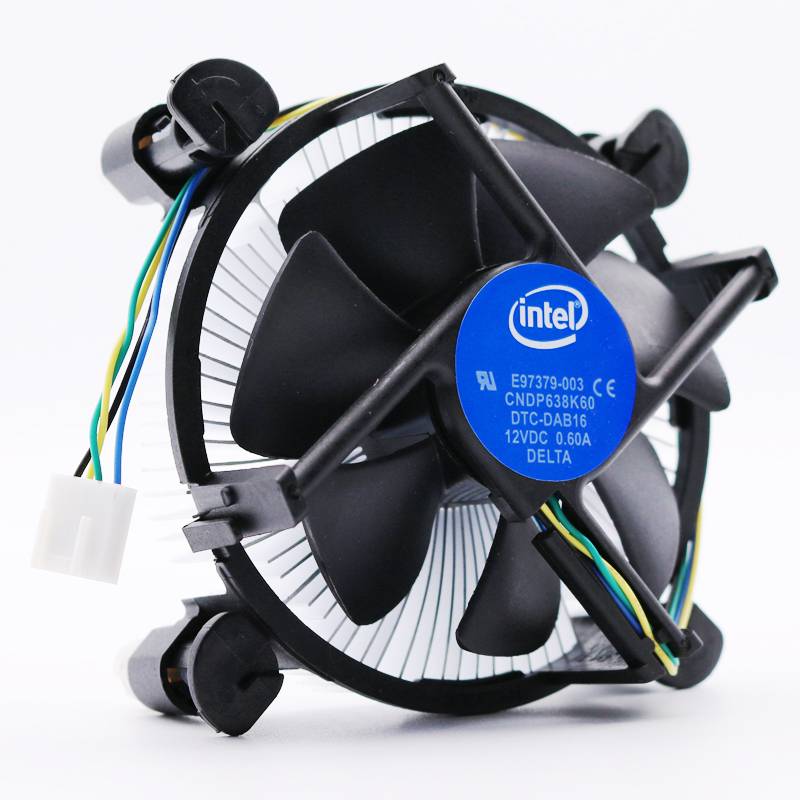
The CPU fan is one of the main parts of the computer that cools the central processing unit and transfers heat to the outside of the system. For better CPU performance and also to maintain the life of the processor, a strong and quality fan is essential. In this article, we are going to introduce the CPU fan, its types, its application and its role in cooling the system.
In short: The CPU fan is a heat exchanger that is used to reduce the temperature of the processor. The most important function of the CPU fan is to pull cool air in and push hot air out of the system.
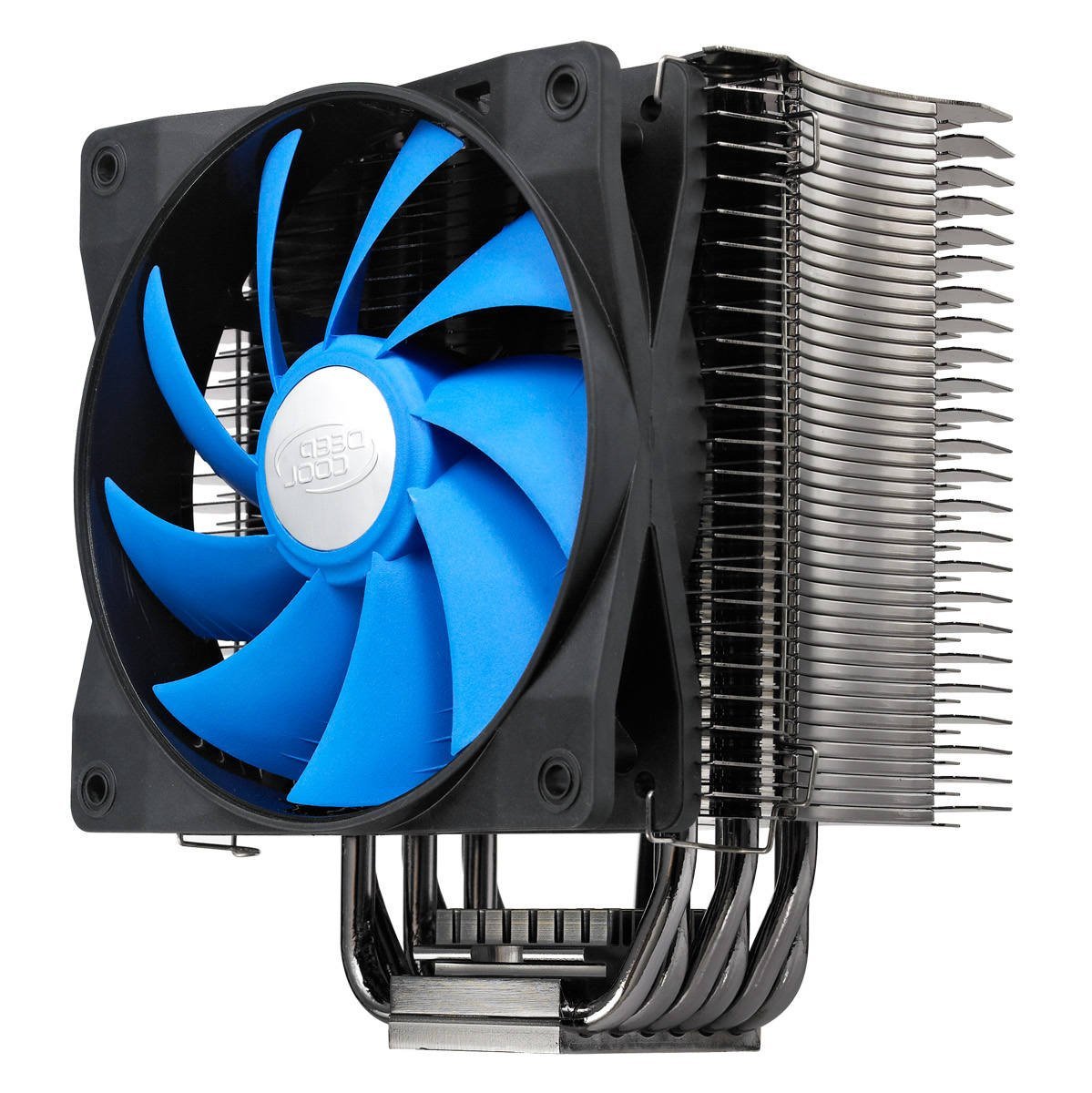
A central processing unit (CPU) is the main microchip in a computer, while a CPU cooling fan is a dedicated fan that helps keep the processor cool. Processors generate heat from internal electrical energy. The more demand there is on a processor, the harder it works and the hotter it gets.
If the processor overheats, it can malfunction and eventually melt completely. A CPU fan works in conjunction with a heatsink to prevent this. The heatsink is a metal device that sits directly on the processor and draws heat away from the chip to its cooler, aluminum, fin-like structure. The CPU fan attaches to the heatsink and draws air through the fins. By dissipating the heat that enters the heatsink, the fan indirectly cools the processor.
What causes a CPU to heat up ?
Computer processors are designed to operate at high temperatures, and it's perfectly normal for a CPU to get very hot. In fact, temperatures in excess of 200 degrees Fahrenheit are often acceptable. A computer's processor works by enabling electrical signals to pass through its microscopic transistors.
As electricity flows through or is trapped within the CPU, it is converted to heat energy. While a processor in a high-performance workstation may overheat due to heavy use, an overheating processor in a regular computer is almost always a sign of a system malfunction.