🎤 About Microphone








What is a Microphone ?

Microphone, sometimes abbreviated as Mic, is a type of electronic device that converts sound energy into electricity, then sends it to a recording device and then re-broadcasts it after amplification.
When we speak, we actually produce a wave and sound energy from the vocal cords of our larynx and transfer it to air molecules. The air molecules, which are tightly packed together, receive this energy one after another and transfer it to the molecule next to them. Over time, the desired energy decreases and weakens between these transfers and eventually disappears altogether.
Microphones receive this energy produced through air molecules and re-emitted it by converting it into electrical waves and amplifying them. Of course, the functional mechanism of the microphone depends on the type of technology used in it; But, generally speaking, microphones use an amplifier, a recording device, and a speaker to amplify the sound.

Microphone types :
1- Dynamic Microphone: You have seen this type of microphone in many concerts and celebrations held in large and crowded halls. Despite having a simple design, dynamic microphones can perform their task well, which is to strengthen and amplify sound waves.
2- Condenser Microphone: Condenser or convective microphones are considered one of the most widely used microphones, which are used in the manufacture of many mobile accessories such as headphones, hands-free, mobile phones, telephones, etc. These microphones, which are also known as condenser microphones, have a simple but sensitive operating mechanism.
3- USB Microphone: One of the most up-to-date accessories that you can purchase as an accessory for your laptop or computer and use to record the best audio files is the USB microphone. In addition to having the circuits of the previous microphones, these microphones must have a built-in preamplifier circuit and an analog-to-digital converter.
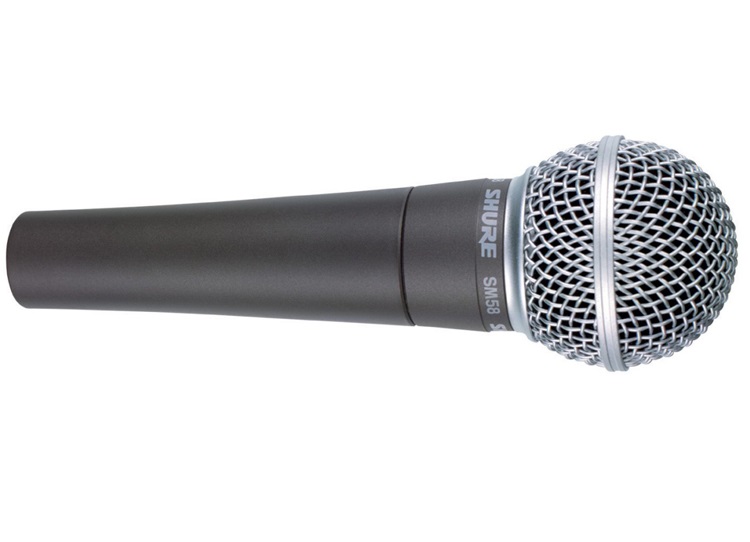
These microphones use a magnetic field to convert sound waves and energy into electricity. Inside these microphones, a thin membrane called a diaphragm is embedded, which vibrates and starts to vibrate when sound waves enter. This diaphragm is connected to a coil surrounded by a magnetic cylinder and transmits its vibrations to this coil. The coil creates a magnetic field, and in this way, sound energy is converted into electrical energy and gains power depending on the microphone settings.
Dynamic microphones have more noise cancellation and are more resistant to conditions than other types of microphones. Therefore, they can be used in open spaces and crowded and noisy halls easily and without any worry of damage, which has increased their popularity. Especially since dynamic microphones are offered at very reasonable prices on the market.